
Digital experiences built for performance + scale
Back to Blog

Playbook

How to build a redirect map before a website migration

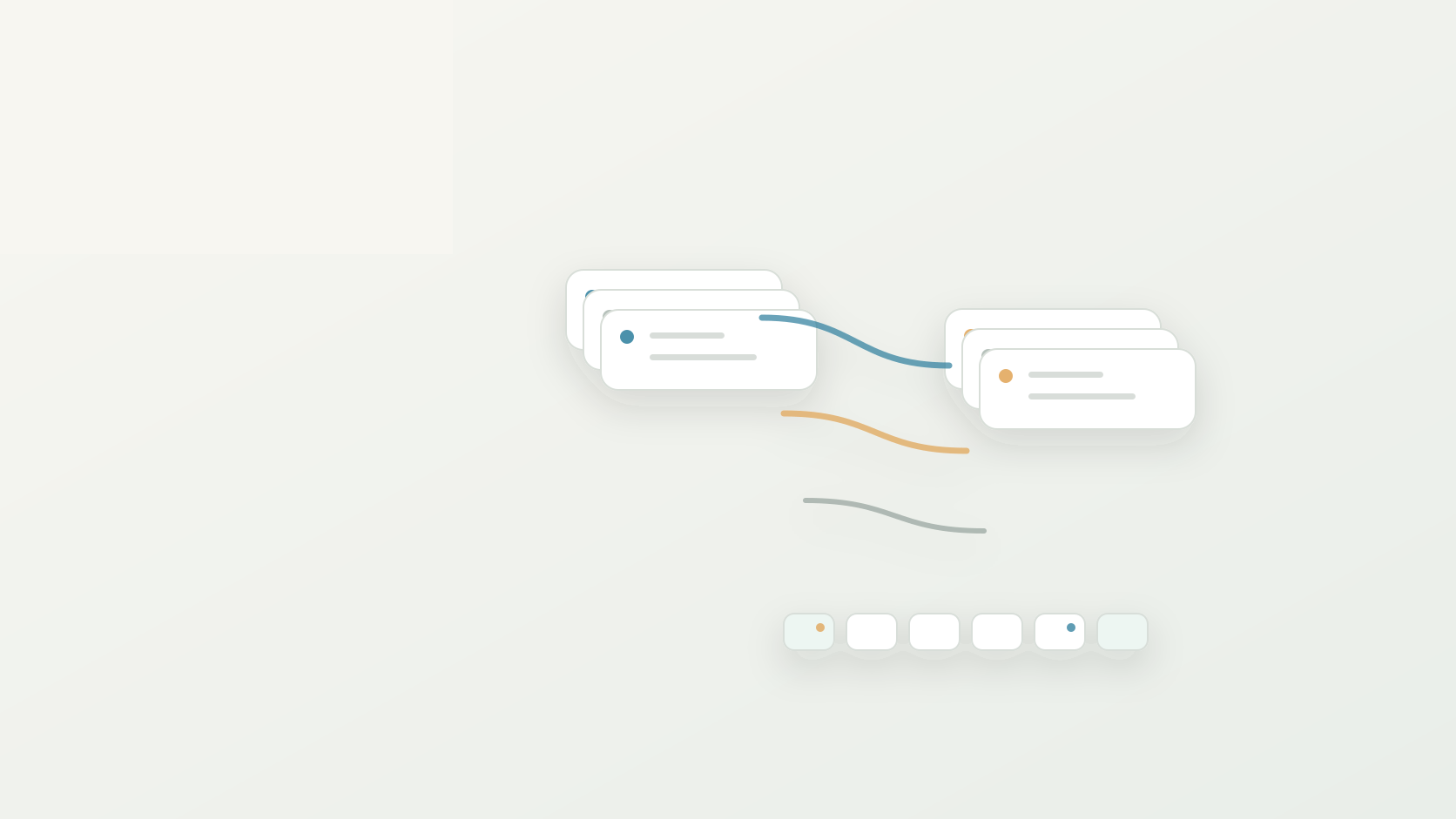
A redirect map is not an SEO formality. It is the document that prevents useful pages, backlinks, campaign URLs, and search visibility from disappearing during a redesign.

Creaform engineering website screenshot

Practical tool

Redirect map

Published

Apr 25, 2026

Read time

10 min read

Topic

Technical SEO / Migration / Playbook

01

Build the redirect map before URLs change

The worst time to build a redirect map is launch day. By then, page structure, navigation, copy, and CMS routing have usually been decided. Any missing URL becomes a last-minute judgment call.

A redirect map should be part of redesign planning. It connects old URLs to new destinations, explains which pages are being merged or removed, and gives developers a testable source of truth before launch.

02

Step 1: Collect every URL source

Do not rely on the current sitemap alone. Sitemaps often miss old landing pages, campaign URLs, parameterized paths, orphaned pages, and URLs that still have backlinks. Build the source list from multiple exports, then deduplicate it.

Useful sources include the XML sitemap, a site crawl, analytics landing pages, Search Console pages, paid campaign URLs, CMS exports, backlink tools, and server logs if available.

  • Sitemap URLs show what the site currently declares.
  • Crawl data shows what internal links can find.
  • Analytics and Search Console show what users and search engines still reach.
  • Paid and email campaign URLs show paths that may not appear in navigation.

03

Step 2: Classify URLs before choosing destinations

Every old URL should get a status. Keep means the URL remains the same. Redirect means it changes or merges into another page. Remove means there is no useful replacement and the page should intentionally return 404 or 410. Review means the team needs a business decision.

This classification makes the migration easier to discuss. Instead of asking whether hundreds of URLs matter, the team can focus on the uncertain ones.

04

Step 3: Match intent, not just keywords

A good redirect sends users to the closest equivalent intent. If an old service page is removed, redirect it to the new version of that service, not automatically to the homepage. If a product category is merged, choose the collection or guide that best answers the original query.

Homepage redirects are tempting because they are easy. They are also weak. They tell search engines and users that the old page no longer has a meaningful equivalent.

05

Step 4: Add ownership and notes

Your redirect map should not only contain old URL and new URL. Add page type, status, owner, priority, traffic signal, backlink signal, and notes. That makes review faster and helps developers understand why a redirect exists.

For high-value URLs, include the reason. For example: old article ranking for Shopify migration, redirect to updated migration checklist. That note is useful when somebody questions the redirect six months later.

06

Step 5: Test in staging and after launch

Redirects should be tested before launch in the environment where routing rules actually run. Check for 301 status, correct destination, no chains, no loops, and no accidental redirect to localized or staging URLs.

After launch, crawl the old URL list again. The map is only done when the old URLs resolve as planned and analytics still captures the important paths.

Redirect map columns

  • 01Old URL, new URL, status, page type, owner, priority, and notes.
  • 02Traffic, ranking, backlink, paid campaign, or business value signal.
  • 03Decision status: keep, redirect, remove, or review.
  • 04Testing status before launch and after launch.
  • 05Final crawl result to confirm there are no chains, loops, or missed URLs.

Keep reading

Now booking for Q2 2026

Start a project

Tell us your goal, timeline, and budget. We'll reply within 2 business days with the best next step.

I'm Max, founder of Build Build Studio. I work with a small network of trusted designers, developers, and specialists, keeping senior attention and direct communication close to every project.
Mo – Fr: 9AM–5PMGMT+8 local time

Project communication

Mandarin / ChineseNativeCantoneseNativeEnglishWorking proficiency

Formal proposals and pitch work are scoped as paid discovery.

Start a project