
01
Creative commerce without template limits
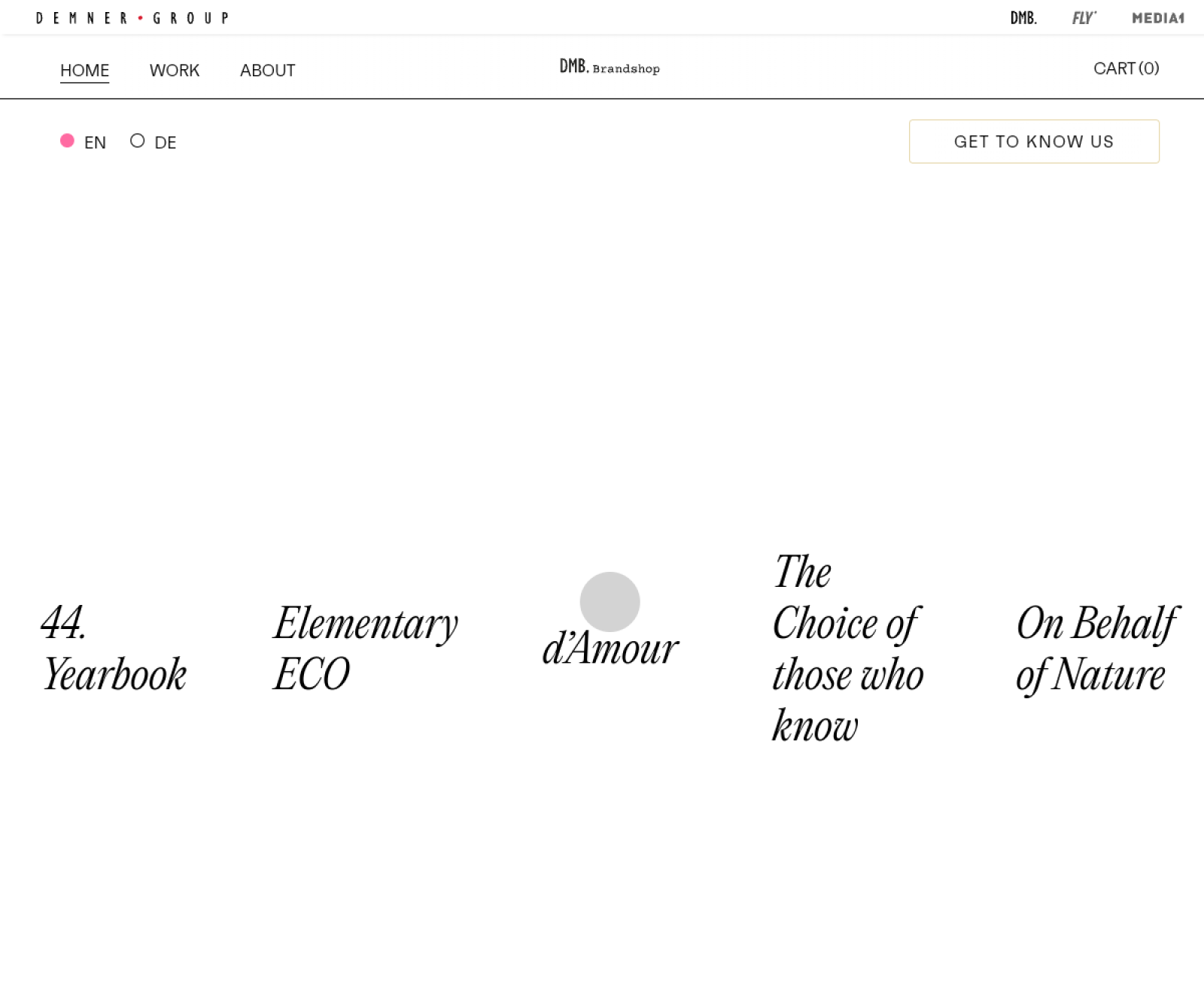
DMB. Brandshop uses Shopify as the commerce engine while Next.js gives the storefront an editorial agency feel.
Headless Commerce Development
We build headless storefronts when teams need more control than a standard theme can offer. The goal is not complexity for its own sake, but a front-end that supports brand expression, performance, multilingual content, search visibility, and commerce operations.
01
DMB. Brandshop uses Shopify as the commerce engine while Next.js gives the storefront an editorial agency feel.
02
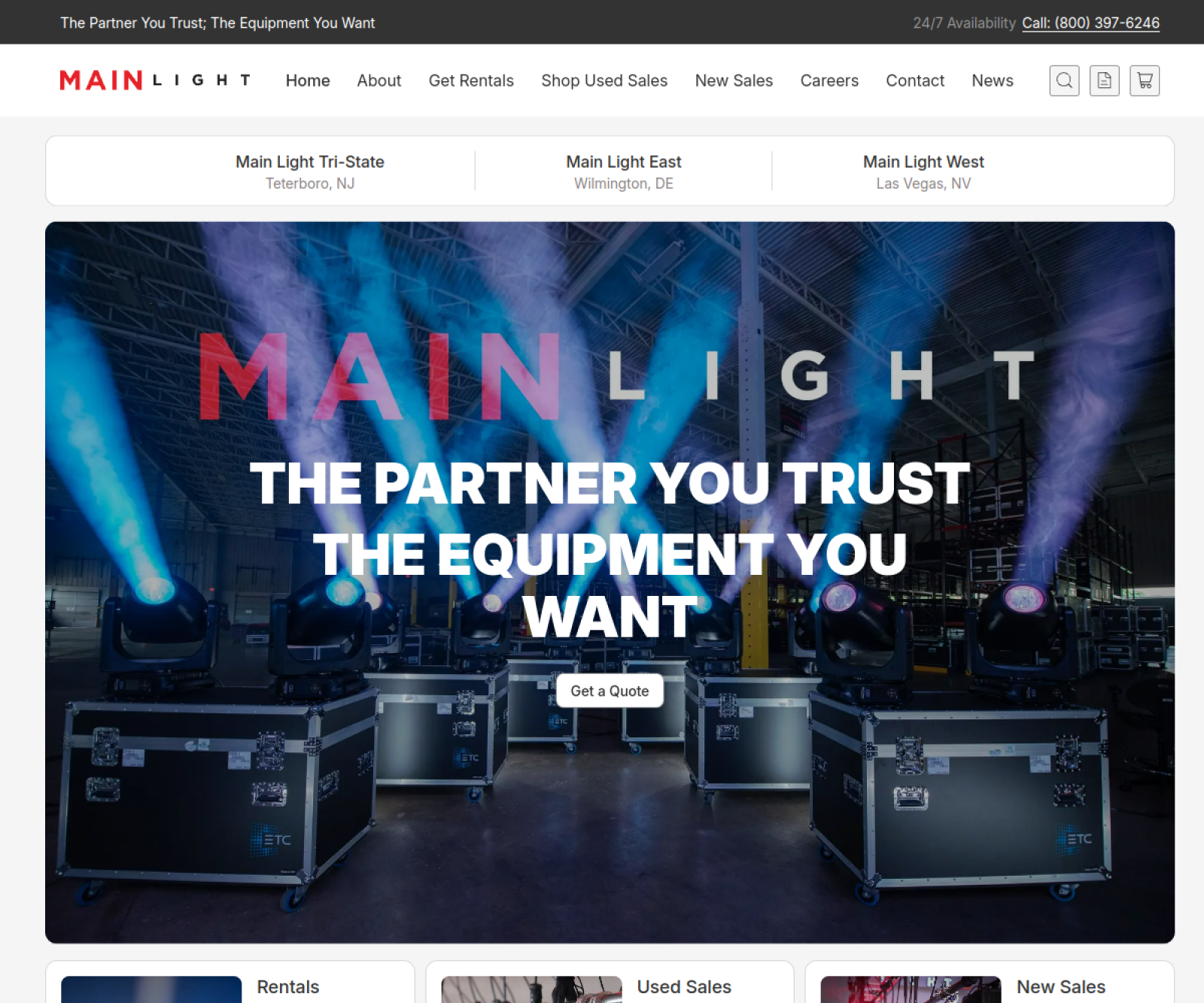
Main Light combines rental quote logic and used-sales checkout in one catalog without confusing either path.
03
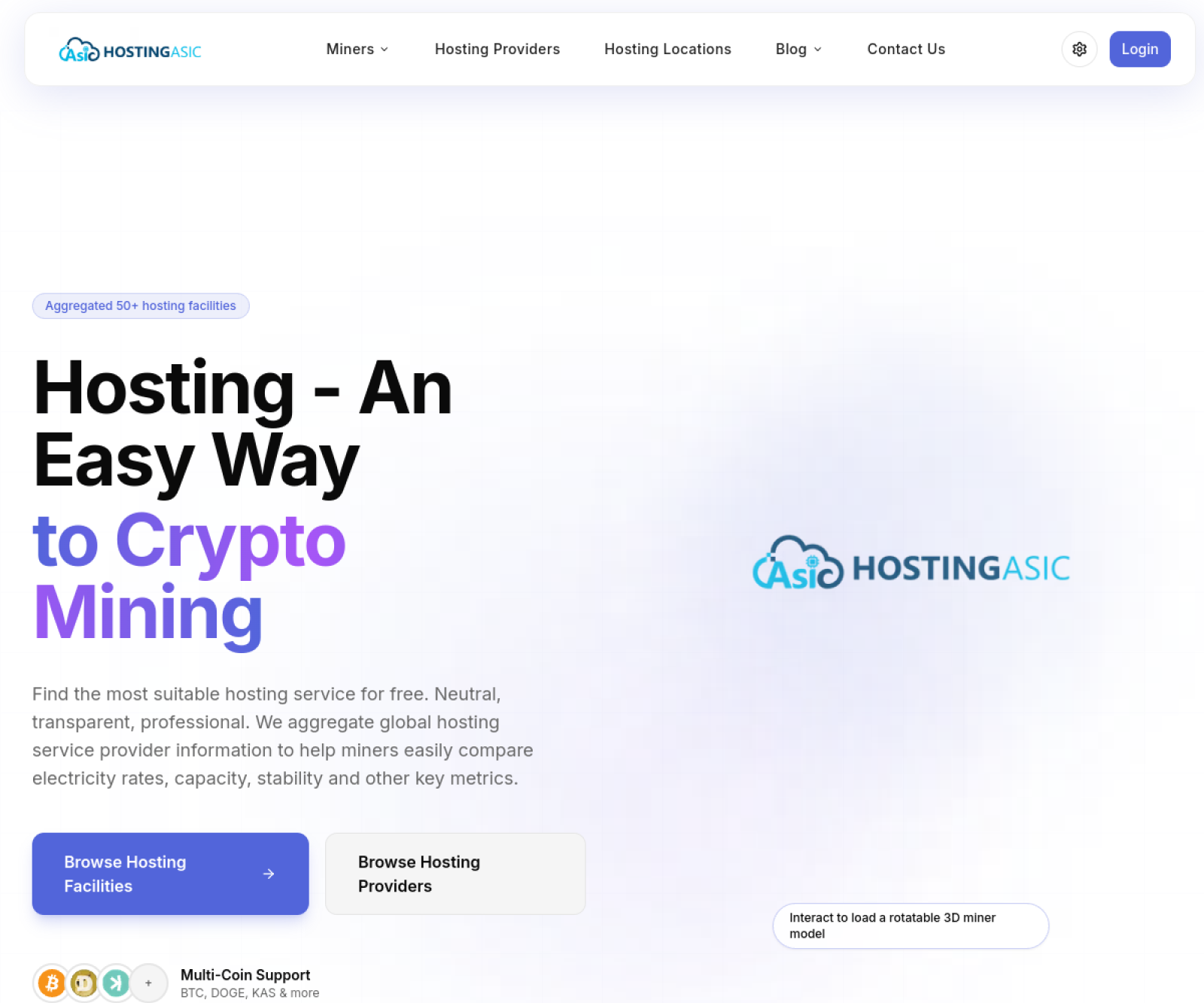
HostingASIC uses Next.js, bilingual routing, server-rendered pages, and structured data to support indexing and cross-market discovery.
The brand experience is constrained by a theme, but the backend still needs Shopify.
Content, commerce, and campaign pages feel disconnected.
International content is hard to maintain or confusing for search engines.
Important product or content pages depend too much on client-side JavaScript and are harder for crawlers to read.
Next.js storefronts connected to Shopify or commerce APIs
Product, content, cart, and checkout handoff patterns
CMS models for campaigns, editorial, markets, and reusable sections
Crawler-friendly SSR/SSG routes, metadata, schema, sitemap, canonical tags, and analytics foundations
01
Define the business reason, operational model, risks, and maintenance expectations first.
02
Plan routes, product data, CMS fields, localization, cart behavior, crawlable HTML, canonical and hreflang signals, and SEO requirements.
03
Ship the core front-end, integrate APIs, test flows, and document how the team runs the system.
Tell us what your current theme or storefront cannot support, and we will help decide whether headless is the right move.
Strategy, design, development, SEO foundations, and launch support for brands growing across markets.