Digital experiences built for performance + scale
Back to Blog

SEO

Technical SEO foundations for multilingual websites

Multilingual websites need more than translated copy. Search engines need consistent language signals, localized URLs, and pages that make sense in each market.
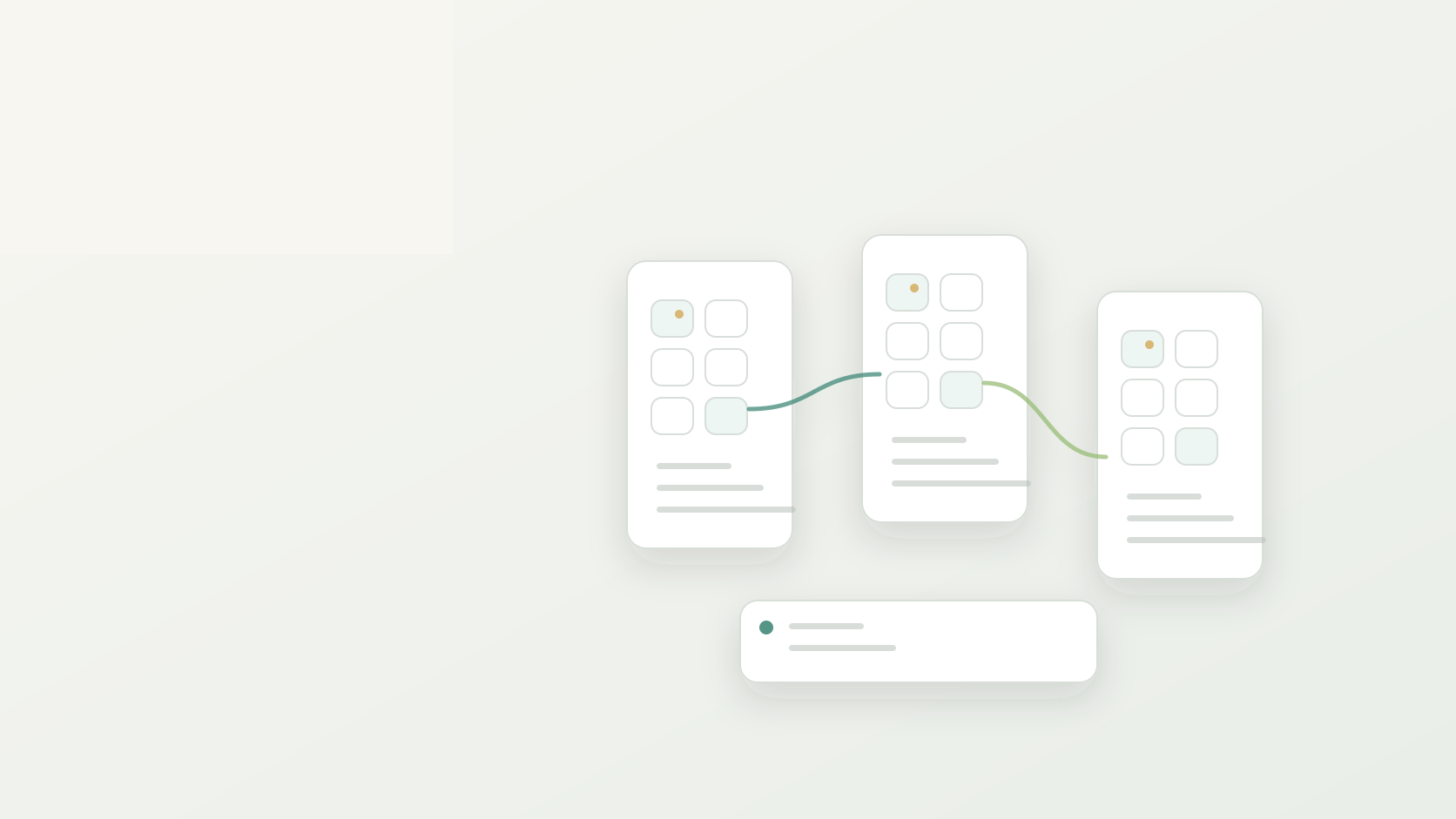
HostingASIC multilingual website screenshot

Search signal

Language clarity

Published

Apr 5, 2026

Read time

9 min read

Topic

Technical SEO / Multilingual / International

01

Translation is only one layer

A multilingual site can fail in search even when the translation is accurate. Search engines still need to understand which page belongs to which language, which regional version should be shown, and how equivalent pages relate to each other.

02

Choose a URL pattern and keep it consistent

Subdirectories, subdomains, and country domains can all work. The bigger issue is consistency. A simple structure such as /zh, /en, or market-specific paths is easier for teams to maintain and easier for search engines to crawl.

  • Localize titles, descriptions, headings, and page copy.
  • Use hreflang alternates for equivalent language pages.
  • Avoid mixing multiple languages on one canonical page unless there is a clear reason.

03

Operations decide whether the system survives

The best multilingual architecture is the one your team can actually run. If every new page needs duplicate manual work across markets, content will drift. CMS fields, route rules, and review workflows should make localization visible.

04

Do not translate pages that should be localized

Some pages can be translated directly. Others need market-specific proof, pricing context, product names, compliance language, or examples. A multilingual SEO system should make space for those differences instead of forcing every page to mirror the source language exactly.

This matters for conversion as much as search. A Chinese service page and an English service page can share the same structure while using different examples, objections, and CTA language.

05

Keep alternates tied to real equivalents

Hreflang should connect pages that genuinely answer the same intent in different languages. If a page exists only in one language, it is better to omit the alternate than to point users to a weak or unrelated page.

For CMS-driven websites, the safest approach is to store translation relationships explicitly. That gives editors a visible way to know which pages are connected and which ones still need localization.

06

Build language QA into publishing

A multilingual launch can pass technical SEO checks and still feel unfinished. Metadata, social previews, form labels, image alt text, navigation items, validation messages, and footer details all need language review.

The practical fix is to QA by page type and component. Check a service page, a blog post, a case study, a form page, and a legal page in each language on mobile and desktop. That catches layout and copy issues that a spreadsheet cannot show.

  • Check title tags, descriptions, Open Graph text, and image alt text in each language.
  • Verify that language switchers point to the equivalent page, not only the homepage.
  • Review mobile wrapping for buttons, cards, navigation, and form labels.

07

Use the sitemap as a management tool

A sitemap is not only for search engines. For multilingual sites, it is also a useful way to spot missing markets, wrong canonicals, unexpected paths, and pages that were published in one language but not another.

Review the sitemap after every major content batch. If the sitemap does not reflect the intended language structure, search engines will probably struggle with it too.

Useful foundations

  • 01Keep language routing predictable and visible in the sitemap.
  • 02Connect equivalent pages with hreflang and localized metadata.
  • 03Design CMS workflows so each market can update content without breaking structure.
  • 04Localize examples, proof points, metadata, and CTA language where market context differs.
  • 05QA multilingual layouts with real copy on mobile and desktop before launch.

Keep reading

Now booking for Q2 2026

Start a project

Tell us your goal, timeline, and budget. We'll reply within 2 business days with the best next step.

I'm Max, founder of Build Build Studio. I work with a small network of trusted designers, developers, and specialists, keeping senior attention and direct communication close to every project.
Mo – Fr: 9AM–5PMGMT+8 local time

Project communication

Mandarin / ChineseNativeCantoneseNativeEnglishWorking proficiency

Formal proposals and pitch work are scoped as paid discovery.

Start a project